Stay Active and Hear Clear: Tips for Exercising Safely with Hearing Aids
Stay Active and Hear Clear: Exercising With Hearing Aids
Physical fitness shouldn’t stop when you start wearing hearing aids. However, many people rightly worry that their devices might get damaged during workouts or that sweat and movement will cause problems. Fortunately, the right preparation and techniques will help you maintain an active lifestyle while protecting your hearing aids. Here are our tips for exercising with hearing aids—no anxiety necessary!
Choose the Right Hearing Aid Style for Active Lifestyles
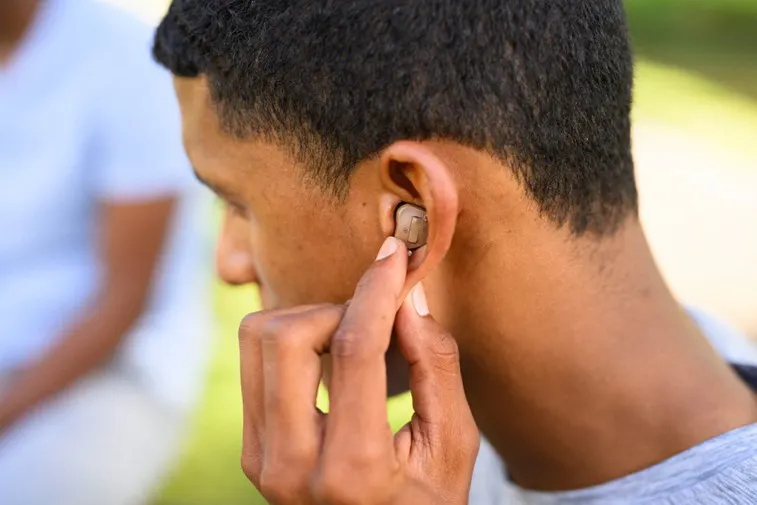
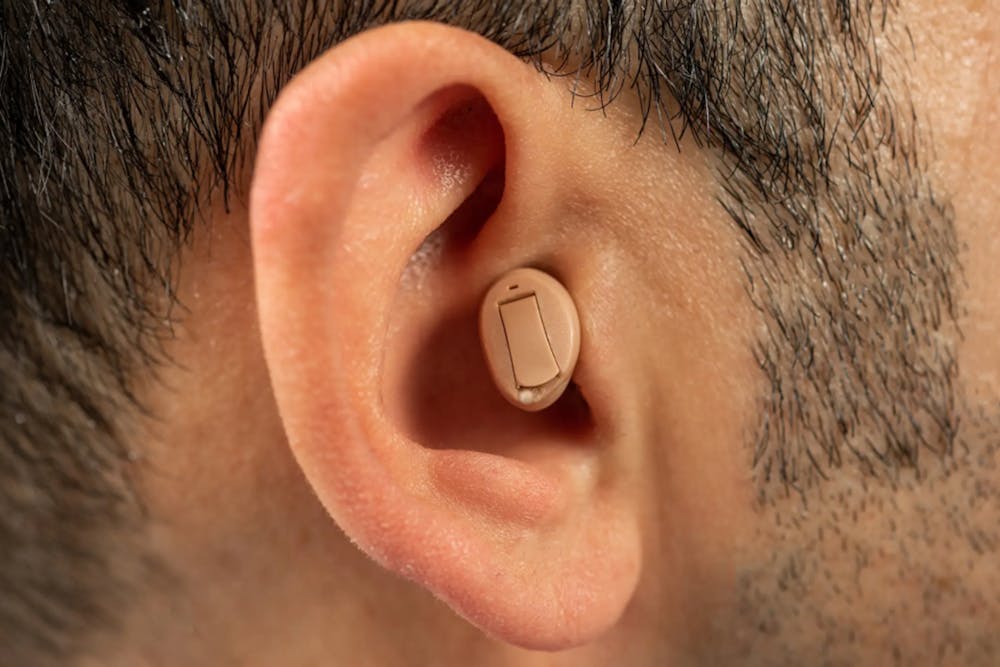
First things first, you’ll need to choose a hearing aid crafted for an active lifestyle. Behind-the-ear (BTE) models often work better for active individuals because they sit more securely and are less likely to fall out during movement. In-the-ear (ITE) styles can work well too, especially custom-fitted models that conform precisely to your ear canal. However, completely-in-canal (CIC) hearing aids may be more prone to moisture damage and can shift during intense physical activity. Schedule a hearing aid consultation to learn more about which type makes the most sense for you.
Keep Track of Moisture Levels
Sweating and hearing aids don’t combine well. Even water-resistant devices can suffer damage from prolonged exposure to moisture. Nevertheless, you can take several steps to keep your devices safe from sweat. Here’s how:
- Apply a thin layer of hearing aid wax before exercising or use specialized moisture-repelling products.
- Wear a sweatband during workouts to redirect the moisture away from your ears.
- Immediately dry your hearing aids with a soft cloth after exercise.
- Place your devices in a hearing aid dehumidifier overnight.
Plan for High-Impact Activities
Nothing’s worse than losing an expensive hearing aid during a workout! So, if you plan to do some high-impact activities (like jumping or running), try these strategies to keep your hearing aids secure:
- Use Hearing Aid Clips—Hearing aid clips attach to your clothing and connect to your devices with thin cords, preventing loss even if they fall out.
- Ask About Custom Ear Molds—If you don’t already have them, custom ear molds can significantly improve fit and keep hearing aids from falling out during intense physical activities.
Change Your Approach for Different Exercises
When you exercise with hearing aids, you’ll need to take a different protective approach depending on the kind of activity. Here’s what you should know about hearing aid protection during specific workouts:
- Cardio—Cardio workouts like running, cycling, or using elliptical machines generally work well with hearing aids. The consistent, rhythmic movement is less likely to dislodge devices than stop-and-start activities. However, you should still focus on managing sweat and ask about secure-fitting devices.
- Strength Training—This type of exercise introduces some new challenges. The lying down and getting up motions can shift hearing aids, and heavy breathing increases sweat production. Consider using a gym towel to wipe away sweat between sets, and be mindful of your head position during exercises.
- Water Sports—Any kind of exercise in the water requires special precautions. Unless you have specifically waterproof hearing aids, remove them before entering the water. Many pools have poor acoustics anyway, so you may not miss much.
- Team Sports—Navigating sports and hearing aids can be tricky, especially since there’s a high risk of damaging your devices. For casual participation, secure attachment systems work well. For competitive contact sports, you may need to weigh the benefits of hearing clearly against the risk of damage.
Create an Exercise-Friendly Environment
Choose your workout location wisely, as some environments are more hearing-aid-friendly than others. For example, gyms with carpeted areas reduce the risk of damage if hearing aids fall. On the other hand, extremely loud fitness classes might overwhelm hearing aids or cause feedback. It’s best to avoid humid environments (think saunas or hot yoga studios) and wind noise when you’re exercising outdoors. Working out in a comfortable environment is essential to keeping up your healthy habits!
Don’t Forget About Hearing Aid Maintenance
In addition to hearing aid protection during workouts, you’ll need to think about maintenance after the fact. Active hearing aid users may need to do maintenance more frequently, as their devices are often exposed to sweat and dirt. Be sure to clean your hearing aids daily, paying special attention to microphone ports and battery compartments where sweat can accumulate. You’ll also want to keep spare batteries at the ready when you’re working out, and consider scheduling more frequent check-ups with your audiologist.
Know When to Take a Break
Sometimes the best strategy is knowing when not to wear your hearing aids. Extremely sweaty workouts, swimming, or activities in very dusty environments might warrant leaving your devices safely at home. But don’t feel guilty about exercising without hearing aids occasionally! Many fitness activities rely more on visual cues and muscle memory than auditory input. However, always let your workout partners or trainers know about your hearing needs so you can still communicate effectively.
Making Fitness Work for You
Just because you have a new set of hearing aids doesn’t mean you can’t exercise like you used to! Active lifestyle hearing solutions are readily available if you know where to look. The team at American Medical Hearing Centers is here to help you find the right hearing aids for your needs. Simply let us know your exercise goals, and we’ll work with you. Contact us today to explore our hearing solutions.
Ready to change your life?
Allow us to change how you experience the world around you. Come in for a free consultation so we can explore options to improve your hearing ability.